Following violation of the Islamabad MoU by the US reached by Iran and the US mediated by pakistan, heavy clashes have erupted between Iran and the US in souther Iran.
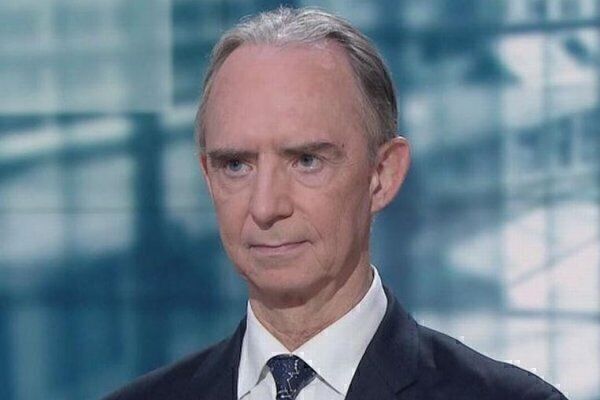
To shed more light on the recent developments, TABNAK reached out to Marc Finaud a senior advisor and associate fellow at the Geneva Centre for Security Policy (GCSP) and former French Foreign Ministry spoksman.
Here is the full text of the interview with him:
Following the recent clash between Iran and the United States, U.S. President Donald Trump has declared that the MoU with Iran has ended and that he has no intention of engaging with Iran. What is your assessment of this?
It is of course a serious crisis resulting from the recent escalation after US responses to strikes attributed to Iran against tankers in the Strait of Hormuz and Iranian retaliation. This shows how fragile the MoU was, as a set of ambiguous provisions and unclear mutual dependency between commitments. Trump seems to have left the door open for continued talks between the negotiators, but the MoU will only survive if both sides exert maximum restraint. Both must give up any irresponsible action making them look strong but in fact destroying the achievements of diplomacy.
Some observers believe that Iran is prepared to accept a new war in order to maintain its control over the Strait of Hormuz. What is your assessment?
If this is the case, it will certainly be against Iran's interests. Of course, Tehran demonstrated that it possesses the military means to cause damage against the US and Israel, but including [Persian] Gulf countries among its targets is counter-productive in the longer term. Control over the Strait of Hormuz can only by achieved through diplomacy and regional arrangements with some support from the international community due to international law and the global impact of conflict also affecting Iran's interests.
It seems that even the MoU between Iran and the United States—which was supposed to pave the way for more complex negotiations on the nuclear issue—has itself become entangled in greater complications. In your view, can the two sides overcome this stage and reach the 60-day negotiation framework?
Here again, it is related to the interests of all the parties. A nuclear deal is the only way for Iran to restore its legitimate place in the international community, get the sanctions lifted, and demonstrate its responsibility. Avoiding the negotiation of such as agreement will only please those, in the United States, in Israel, and in the region, who are opposed to peaceful and stable relations between Iran and its neighbours and prefer the continuation of war in order to export armaments and maintain control over the Middle East.
It appears that neither Iran nor the United States desires a full-scale new war. On the other hand, even if a new war were to break out, the issue of the Strait of Hormuz would not be resolved. Under such circumstances, how can the current stalemate be broken? Will the mediators be able to change this trajectory?
Based on the experience of the two recent wars, a new one will not change much except for more destruction, more useless deaths of civilians, and more instability. As said previously, a sustainable solution to the issue of the Strait of Hormuz can only be regional and international. The mediators are helpful in maintaining dialogue and communications, but considering the scale of the problem, the United Nations should also become a mediator with some pledges of support from key countries or organizations such as the EU for providing assistance in de-mining and monitoring a ceasefire as they have been doing in the Gulf of Aden against piracy.


